
THC-Gehalt: Was sagt er wirklich über die Wirkung von Cannabis aus?


Culture bündelt Hintergründe, Perspektiven und Geschichten: Trends, Begriffe, Rituale und das, was die Szene gerade bewegt. Wir ordnen ein, erklären verständlich und setzen Kontext – ohne moralischen Zeigefinger. Für alle, die nicht nur konsumieren, sondern verstehen wollen.

In einer Welt, die ständig auf „on“ steht, suchen immer mehr Menschen nach Wegen, ihr Nervensystem zu entlasten, ohne dabei komplett auszusteigen. Microdosing Cannabis ist ein Ansatz, der genau das verspricht: mehr Balance, weniger Rausch.
Continue reading

Der Einstieg in die medizinische Cannabistherapie muss nicht kompliziert sein. Mit der richtigen Dosierung und einem achtsamen Vorgehen kann Cannabis eine natürliche und wirksame Alternative zu herkömmlichen Schmerzmitteln bieten. Vor allem bei chronischen Schmerzen oder Entzündungen kann die Therapie vielversprechend sein und eine hohe Lebensqualität ermöglichen.
Continue reading

Die Erntezeit ist ein entscheidender Moment im Anbau von Cannabis. Sie beeinflusst nicht nur die Potenz und den Geschmack der Endprodukte, sondern auch deren medizinische Wirksamkeit. Hier erklären wir, wie man den perfekten Zeitpunkt zur Ernte bestimmt und was während der Trocknung und des Aushärtens zu beachten ist.
Für eine gleichmäßige Weiterverarbeitung nach der Ernte ist ein hochwertiger Grinder ein entscheidendes Tool.
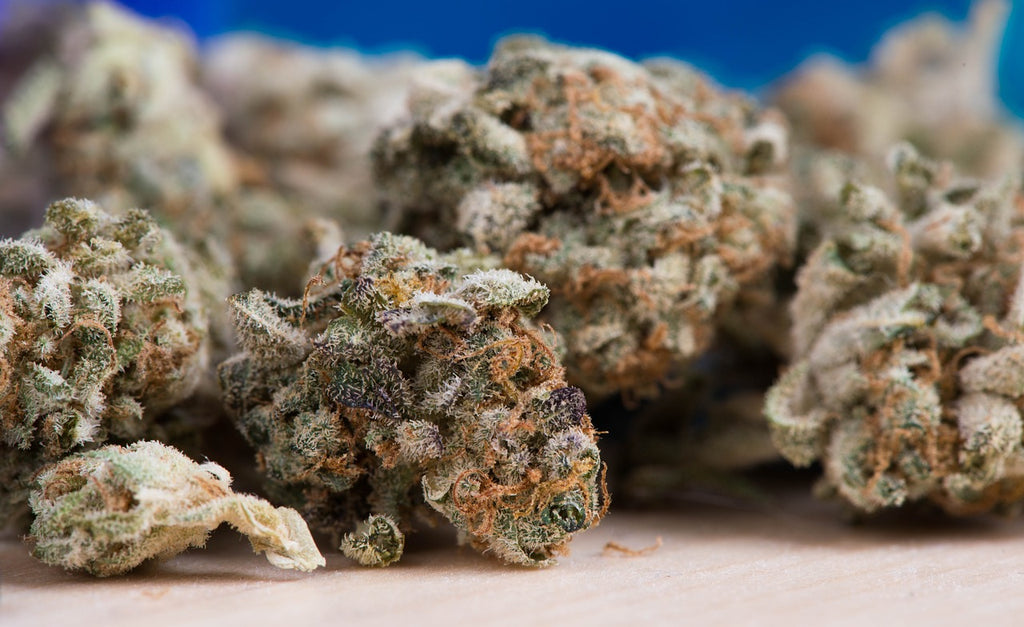
Was sind Trichome? Trichome sind kleine, harzige Drüsen auf den Blüten und Blättern nahe den Blüten von Cannabis. Sie sind mit bloßem Auge als kleiner, glitzernder Belag erkennbar, aber eine genauere Untersuchung mit einer Lupe oder einem Mikroskop offenbart ihre wahre Form. Trichome sind der Hauptproduzent von Cannabinoiden wie THC und CBD sowie von Terpenen, die für das Aroma der Pflanze verantwortlich sind.
Entwicklung der Trichome:
Was sind Pistillen? Pistillen sind die kleinen, haarähnlichen Auswüchse auf den weiblichen Cannabisblüten, die ursprünglich weiß sind und sich im Laufe der Reifung orange, rot oder sogar lila färben können. Sie spielen eine wichtige Rolle bei der Bestäubung der weiblichen Pflanze. Tiefergehende Tipps findest du in unseren Kultur-Guides.
Entwicklung der Pistillen:
Indica-Sorten sind oft schneller reif als Sativas, was den Anbauzyklus beeinflusst. Hybride können Eigenschaften beider Arten aufweisen und erfordern eine aufmerksame Beobachtung.
Trocknung: Nach der Ernte müssen die Cannabisblüten getrocknet werden, was in einem kontrollierten Umfeld passieren sollte, um Schimmel und den Verlust von Terpenen zu vermeiden. Die ideale Temperatur liegt bei etwa 18-22°C mit einer relativen Luftfeuchtigkeit von 45-55%. Dieser Prozess dauert in der Regel 7-14 Tage.
Aushärten: Das Aushärten beginnt nach dem Trocknen und ist entscheidend für die Entwicklung des vollen Geschmacksprofils. Dabei werden die getrockneten Blüten in luftdichte Behälter gepackt, die regelmäßig geöffnet werden, um Feuchtigkeit freizusetzen und frische Luft zuzuführen. Dieser Prozess kann mehrere Wochen dauern und sollte unter ähnlichen Bedingungen wie das Trocknen stattfinden.
Gerade bei der Vorbereitung für das Trocknen oder die spätere Nutzung sorgt ein präziser Grinder für ein sauberes und gleichmäßiges Ergebnis.
Zu früh geerntete Pflanzen haben oft ein weniger ausgeprägtes Aroma und eine geringere Potenz, während zu spät geerntete Pflanzen zu einem sedierenden Effekt neigen können. Während des Trocknens und Aushärtens ist es entscheidend, die Entwicklung von Schimmel durch eine kontrollierte Umgebung zu verhindern.
Der richtige Zeitpunkt zur Ernte von Cannabis hängt von der Beobachtung der Trichome und Pistillen ab. Durch sorgfältige Pflege während des Trocknens und Aushärtens können Cannabiszüchter die Qualität und Potenz ihrer Ernte maximieren. Beachten Sie diese Richtlinien, um das Beste aus Ihrer Cannabiszucht herauszuholen.
Wenn du dein Material nach der Ernte optimal vorbereiten möchtest, findest du hier den passenden Grinder.
Continue reading
Entdecke die Crème de la Crème der Cannabis-Samenbanken. Wir präsentieren eine handverlesene Auswahl, die für jeden ambitionierten Züchter unverzichtbar ist. Diese Samenbanken haben sich durch ihre außergewöhnliche Qualität, beeindruckende Genetik und innovative Züchtungstechniken einen Namen gemacht.
Sicheres Bestellen in der Grauzone: Wie du es richtig machst
In Deutschland bewegt sich der Kauf von Cannabis-Samen in einer rechtlichen Grauzone. Um sicherzugehen, dass deine Bestellung reibungslos verläuft, solltest du auf Diskretion, Qualität und die Wahl der richtigen Samenbank achten. Informiere dich gründlich und wähle Anbieter, die einen diskreten Versand und hohe Standards in Sachen Qualität garantieren.
Spotlight: Die Top-Samenbanken im Überblick
1. Barney’s Farm: Bekannt für ihre Pionierarbeit und ständige Innovation. Ihre feminisierten Samen sind in der Community hoch angesehen.
2. Royal Queen Seeds: Stolz auf strenge Qualitätskontrollen und modernste Züchtungsmethoden, bietet RQS eine beeindruckende Vielfalt an feminisierten Samen.
3. Dinafem: Pioniere in Spanien mit einer Leidenschaft für die Zucht von erstklassigen feminisierten Hanfsorten. Ihre Genetik und Innovation haben sie zu Favoriten unter Anbauern gemacht.
4. Greenhouse Seeds: Berühmt für ihre Forschungsreisen und die Entdeckung einzigartiger Landrassen. Ihre preisgekrönten Sorten spiegeln ihre Bemühungen und Leidenschaft für Cannabis wider.
5. Dutch Passion: Mit tiefer Verwurzelung in der niederländischen Cannabis-Kultur bieten sie eine breite Palette an bewährten Klassikern und neuen Sorten, bekannt für ihre Eleganz und genetische Exzellenz.
6. Sweet Seeds: Ihre Samenbank steht für einzigartige Zuchtstile und ein tiefes Engagement für Qualität und Kundenzufriedenheit, bekannt für die persönliche Selektion ihrer Sorten.
7. Sensi Seeds: Als verantwortungsbewusster Akteur in der Cannabis-Community, bekannt für ihre breite Palette an medizinisch geeigneten Sorten und ihre Leidenschaft für Cannabis-Aufklärung.
8. DNA Genetics: Ihre Anerkennung in der High Times Seed Bank Hall of Fame spricht für sich. Sie sind bekannt für ihre innovativen und preisgekrönten Sorten, die sie aus der ganzen Welt sammeln.
9. Pyramid Seeds: Konzentrieren sich auf potente, ertragreiche und leicht anzubauende feminisierte Hanfsamen. Ihre Beliebtheit wächst durch die Zugänglichkeit und Qualität ihrer Sorten.
10. Serious Seeds: Ernsthaftigkeit und Engagement für die Zucht stabiler, zuverlässiger und hochwertiger Cannabis-Sorten zeichnen sie aus. Ihre Samen sind für ihre Konsistenz und Exzellenz bekannt.
Die Wahl der richtigen Samenbank: Worauf du achten solltest
Beim Auswahlprozess ist es wichtig, auf die Reputation der Samenbank, die Vielfalt der angebotenen Sorten und die Qualität der Samen zu achten. Vertrauenswürdige Bewertungen und Erfahrungen anderer Züchter können dabei helfen, die beste Entscheidung zu treffen.
Zusammenfassung
Die Auswahl der richtigen Samenbank ist entscheidend für deinen Erfolg im Anbau. Mit den richtigen Informationen und einer sorgfältigen Auswahl kannst du das Potenzial deiner Cannabis-Pflanzen maximieren. Sicherheit beim Bestellen ist dabei ebenso wichtig wie die Wahl der Samen selbst. Informiere dich, wähle weise, und dein grüner Daumen wird bald die Blüten ernten.
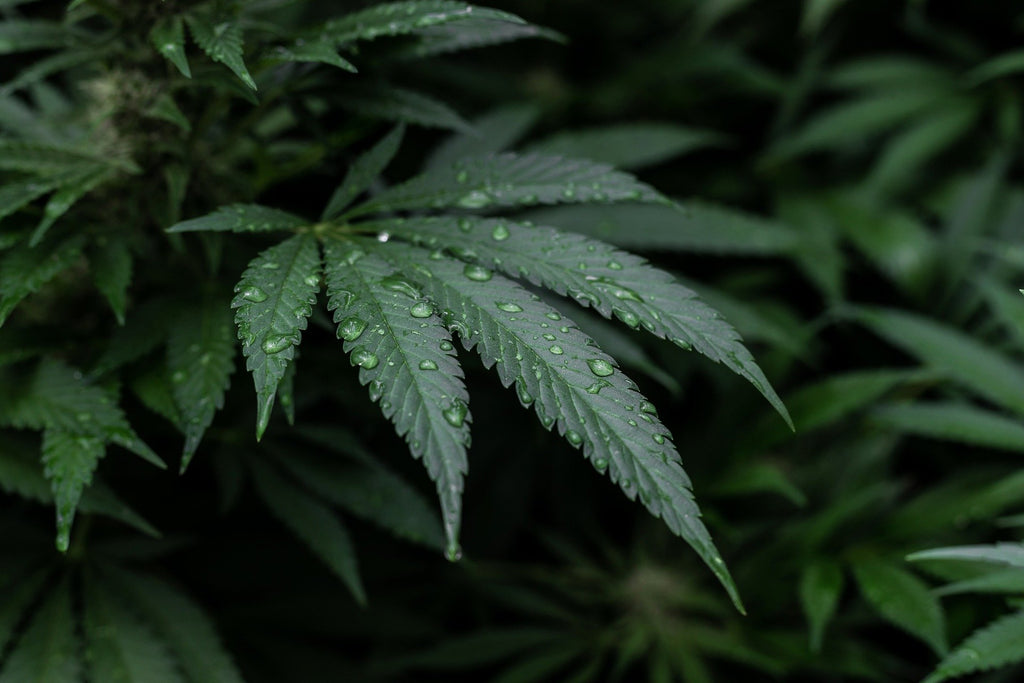

The world of cannabis is experiencing significant change in Germany. Although the federal government originally planned a comprehensive legalization of cannabis, full release plans are currently not feasible due to numerous European and international laws and treaties. Instead, the focus now is on decriminalizing marijuana for personal use.
What this means specifically is that commercial production and sales of cannabis will remain illegal under these plans, but anyone caught with a "small amount" for personal use will not be penalized. The draft law currently sets an upper limit of 25 grams.
Until now, this amount was defined differently from federal state to federal state in Germany. However, uniform limit values are now to be set at the federal level.
However, the federal government is going beyond pure decriminalization. She wants to ensure that there are officially approved sources for purchasing cannabis to ensure that child protection is maintained and product quality is high. This is where cannabis clubs come into play.
Cannabis clubs as a compromise
Cannabis clubs are a kind of compromise. Instead of completely legalizing marijuana, cultivation, distribution and consumption will only be permitted for private individuals within certain limits. In addition to home cultivation, these clubs are one of the two ways to legally purchase marijuana.
According to the current draft law for the “Law on Dealing with Consumer Cannabis”, these associations must be organized in the same way as other registered associations in Germany. However, they cannot have more than 500 members.
These clubs are allowed to grow cannabis for personal use and distribute it to their members. You are also allowed to provide seeds and cuttings for home cultivation, although only members of the club are allowed to take part in the cultivation. However, the clubs are only allowed to distribute a maximum of 25 grams of cannabis per member per day and no more than 50 grams per month.
Stricter rules apply to people under 21, including a maximum of 30 grams per month and a limit of 10% THC, which is responsible for the cannabis high.
It is important to note that cannabis must not be mixed with tobacco, nicotine, food or other additives and must be provided in plain packaging with a leaflet containing information about the strain and ingredients.
The clubs also have an obligation to educate their members about dosage, risks and advisory services, particularly with regard to health effects of consumption under the age of 25, child and youth protection, drug interactions and the effects on driving.
How can you become a member?
There are certain basic rules for members of cannabis clubs. For example, members must be of legal age and the club cannot have more than 500 members. Individuals can only be members of one club and must declare in writing that they are not already a member of another cannabis club.
Members must prove their residence or habitual residence in Germany and remain a member of the club for at least 3 months. If their place of residence changes, they must inform the club.
Clubs can also set their own rules and conditions, as long as they respect the general rights and responsibilities of club members.
How can you start a club in Germany?
Setting up a cannabis club in Germany is not open to everyone. The number of clubs may be limited depending on population density. A background check is also required and the management of the club must only consist of natural persons.
In addition, the clubs must have youth protection, addiction and prevention officers with proven expertise and work with local addiction prevention and counseling centers.
The clubs must also maintain a minimum distance of 200 meters from schools, daycare centers and similar facilities and are subject to a general advertising ban.
Obtain permission for a cannabis club
In order to legally grow and distribute cannabis for their members, cannabis clubs need permission from the responsible authority. This permission is only granted to non-profit associations that are committed to growing cannabis for their members.
The permit requires that the board members have full legal capacity, have the necessary reliability to handle cannabis and ensure that the cannabis is protected from access by unauthorized persons, especially children and young people. The permit application must contain comprehensive information and evidence, including data on the cultivation areas, the planned quantities of cannabis and the safety measures.
What the permission entails
The permit allows clubs to grow and distribute cannabis for their members' own use. The permitted quantity depends on the needs of the members and can be adjusted if the number of members changes. The authority may also add requirements and conditions to ensure compliance.
The permit is valid for seven years and can be extended after five years.
Cannabis cultivation rules
The cultivation of cannabis in the clubs is subject to strict rules and regulations. Cannabis may only be cultivated collectively by members, and no other person or third party may be involved in cultivation. Members must actively participate in cultivation and comply with the rules of good agricultural practice.
Quality and safety measures
Clubs must ensure that all legal regulations are adhered to and additional health risks are minimized. This also includes regular inspection of cannabis products and seeds and ensuring that non-marketable cannabis and seeds are destroyed immediately.
Rules for securing and transporting cannabis
Clubs must protect cannabis and seeds from unauthorized access, especially children and young people, and secure cultivation areas against intrusion and theft. Cannabis and seeds may not be stored or transported outside of the approved cultivation areas unless this is done under certain conditions and requirements.
Protection of children and young people in cannabis clubs
Cannabis clubs must take comprehensive measures to protect children and young people and to prevent addiction. Persons under the age of 18 may not be allowed access to the cultivation areas and the cultivation areas must be protected from the public.
Membership fees and cost coverage
The clubs can stagger their membership fees depending on the quantities of cannabis dispensed. Free distribution of cannabis and seeds is not permitted and no additional fees may be charged for distribution to members.
Club documentation and reporting obligations
Cannabis clubs must maintain extensive records and reports to demonstrate compliance. This includes information about the cultivation, transfer, destruction and inventory of cannabis and seeds, as well as transport and other relevant activities.
Official controls and measures
Authorities carry out regular inspections of clubs to ensure compliance with legal regulations. These checks may include both on-site visits and spot checks. Violations may result in various actions, including bans on the cultivation or distribution of cannabis, product recalls and regulatory warnings.
What authorities are allowed to do during inspections
Authorities have the right to inspect clubs' cultivation areas, transportation and records, and to collect information from club members and operators. This information must be retained for a certain period of time and may be used for verification purposes.
Overall, cannabis clubs in Germany are part of a complex legal framework that aims to regulate access to cannabis for personal use and ensure that this is done in a safe and responsible manner. The future of these clubs and cannabis consumption in Germany remains exciting and will closely depend on developments in legislation and implementation.
Continue reading
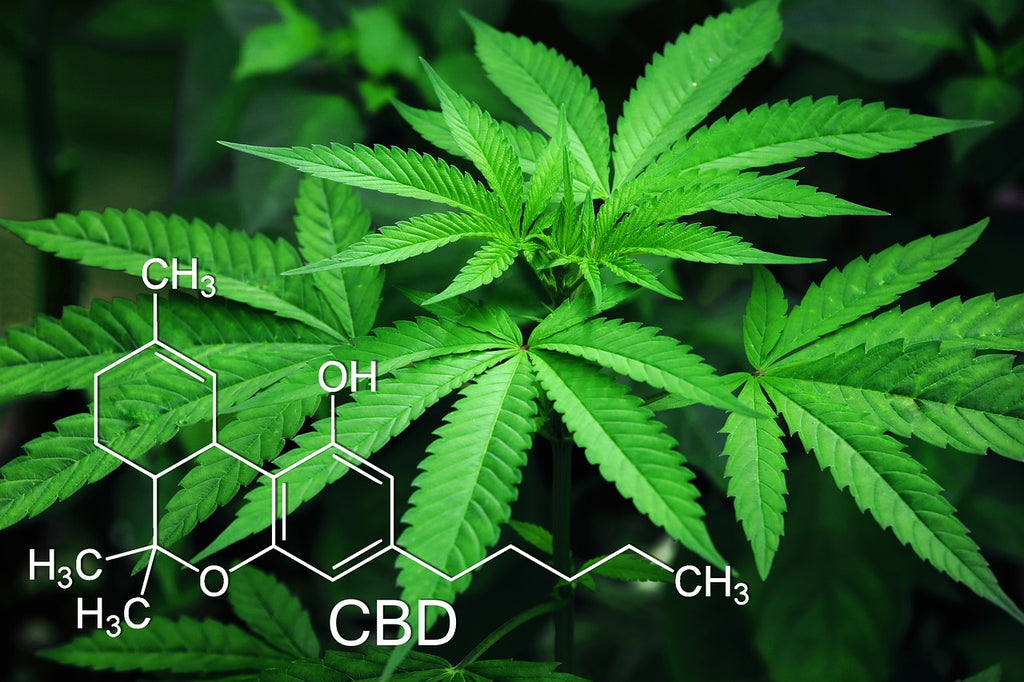
Cannabis is an amazing plant that contains a variety of chemical compounds that determine its unique flavors and effects. A group of these compounds called terpenes play a crucial role in the variety of cannabis flavors and effects. In this article, we will explore the fascinating world of terpenes in cannabis and understand how they affect the plant's taste, aroma, and even effects.
What are terpenes?
Terpenes are organic compounds found in many plants, not just cannabis. You can find them in flowers, fruits and herbs. In nature, terpenes have various functions, such as protecting against predators and attracting pollinators.
Terpenes in Cannabis: The Keys to Aroma and Effects
Here are the ten most important terpenes in cannabis and what you should know about them:
1. Myrcene:
2. Limonene:
3. Pinene:
4. Linalool:
5. Caryophyllene:
6. Terpinolene:
7. Humulene:
8. Terpineol:
9. Ocimen:
10. Eucalyptol:
Terpenes and the so-called entourage effect
The interaction between terpenes and cannabinoids, such as THC and CBD, results in what is called the “entourage effect.” This effect states that the combination of terpenes and cannabinoids can have synergistic effects. In other words, terpenes can enhance or moderate the effects of cannabinoids.
Terpenes for a better understanding of cannabis
The world of terpenes in cannabis is fascinating and complex, but they play a crucial role in determining the plant's flavors and effects. The diversity of terpenes offers room for endless varieties and taste experiences. If you want to learn more about cannabis and better understand its effects, it's definitely worth taking a closer look at terpenes. You'll be surprised at how these small molecules can impact the entire cannabis experience.
Continue reading